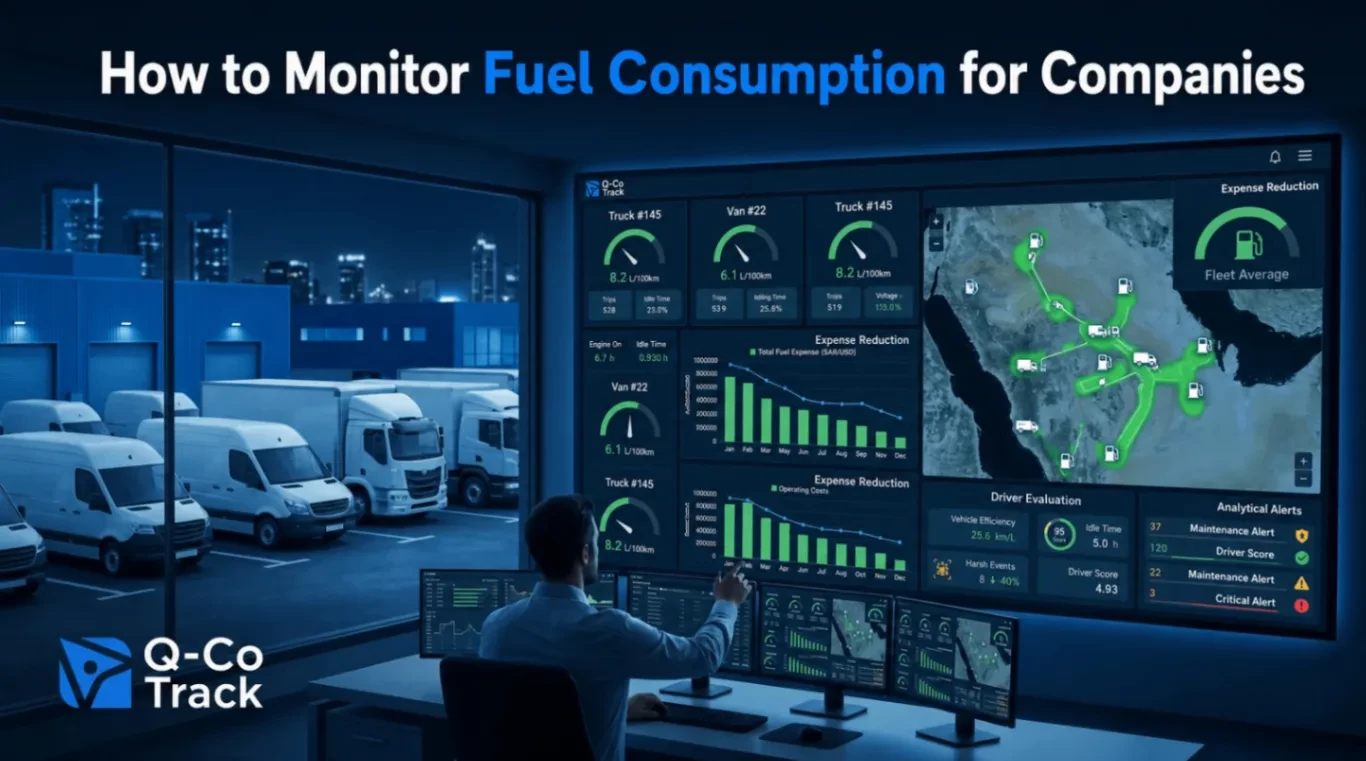
How to track fuel consumption?
Have you ever considered how much fuel your company is actually burning through? For businesses that operate vehicle fleets — whether in transportation, logistics, or field services — fuel is one of the heaviest operational expenses on the books. Without accurate monitoring and tracking systems in place, fuel waste can go unnoticed for months, quietly eating into your margins. That's why fuel consumption monitoring has become a foundational practice for companies looking to improve operational efficiency, cut costs, and grow profitability.
Why Is Fuel Consumption Monitoring Important for Companies?
Fuel management is a critical pillar of operational success for any fleet-dependent business. Effective monitoring matters because it helps companies:
- Reduce overall fleet operating costs
- Improve vehicle utilization efficiency
- Detect and eliminate fuel waste
- Extend vehicle lifespan
- Improve driver performance
- Make accurate, data-driven operational decisions
Without a monitoring system in place, expenses quietly increase while profits shrink — and the root cause often goes unidentified.
Common Causes of High Fuel Consumption in Company Fleets
Before companies can reduce fuel consumption, they need to understand what's driving it up in the first place. The most common causes include:
Uneconomical Driving
Speeding, sudden acceleration, and hard braking all contribute significantly to increased fuel consumption.
Excessive Idling
Running a vehicle's engine for long periods without movement results in unnecessary fuel waste.
Poor Route Planning
Choosing longer or congested routes increases distance traveled, raises fuel consumption, and causes delivery delays.
Neglecting Scheduled Maintenance
Poorly maintained vehicles consume more fuel due to engine issues or hidden mechanical problems such as underinflated tires.
Unauthorized Vehicle Use
Using company vehicles outside of working hours or approved purposes leads to additional fuel consumption.
How Do Vehicle Tracking Systems Help Monitor Fuel Consumption?
Vehicle tracking and fleet management systems in Kuwait play a significant positive role in monitoring fuel consumption with high precision. These systems help by:
- Tracking vehicles in real time
- Analyzing fuel consumption per individual vehicle
- Sending alerts when consumption exceeds normal thresholds
- Monitoring driver behavior to optimize routes and reduce unnecessary mileage
Together, these capabilities help reduce fuel waste, improve driving efficiency, and enable companies to make smarter decisions that lower operating costs — giving management clear, measurable control over fuel spending.
Fuel Analysis Reports and Their Role in Cost Reduction
Fuel consumption reports are among the most powerful tools available for measuring fleet KPIs, because they help companies identify:
- Fuel consumption per vehicle and average consumption per trip
- Driver comparisons based on idling time and engine usage patterns
- Deviations from normal consumption benchmarks
These reports help pinpoint sources of waste and evaluate driver performance, empowering management to make decisions backed by accurate data rather than guesswork.
Best Practices to Reduce Fuel Consumption in Company Fleets
To meaningfully reduce fuel consumption across a fleet, companies should follow these key practices:
- Use a dedicated vehicle tracking system to monitor consumption and analyze performance continuously
- Train drivers in economical driving techniques to reduce unnecessary fuel use
- Minimize unnecessary idling to prevent engine running without movement
- Improve trip planning by selecting the shortest, least congested routes
- Commit to scheduled maintenance to maintain optimal fuel efficiency
- Monitor performance consistently and review reports to catch any irregularities early
Frequently Asked Questions
How can companies monitor fuel consumption?
Fuel consumption can be monitored using GPS tracking systems, which provide detailed vehicle consumption reports and driver behavior analysis — enabling better route planning and more efficient fleet management.
What are the best ways to reduce fuel consumption in fleets?
Training drivers in economical driving, minimizing unnecessary idling, using vehicle tracking systems to monitor performance, and optimizing trip planning are among the most effective strategies for reducing fleet fuel consumption.
What role do fuel consumption reports play in fleet management?
These reports analyze operational performance to identify waste, improve efficiency, and support data-driven decision-making that leads to meaningful cost reductions.
Start Reducing Your Company's Fuel Costs Today
If you manage a vehicle fleet in Kuwait, now is the time to take control of your fuel consumption — and turn it into a competitive advantage. By connecting with Kyoko Track's customer support and technical team in Kuwait, we can help you:
- Monitor fuel consumption accurately
- Improve driver efficiency
- Manage your fleet with intelligence and precision
Contact us now through our website for a free consultation and find out the right steps to reduce your operational costs and increase your profits.